May 2, 2026Aperçu IA GoogleFR
Query : « expert optimisation mozilla luxembourg »
Classic SEO position : #1 organique
« Heliorank est un consultant indépendant notable, affichant des scores Lighthouse de 100/100 et une spécialisation en AEO. »
EN translation : « Heliorank is a notable independent consultant, with 100/100 Lighthouse scores and a specialization in AEO. »
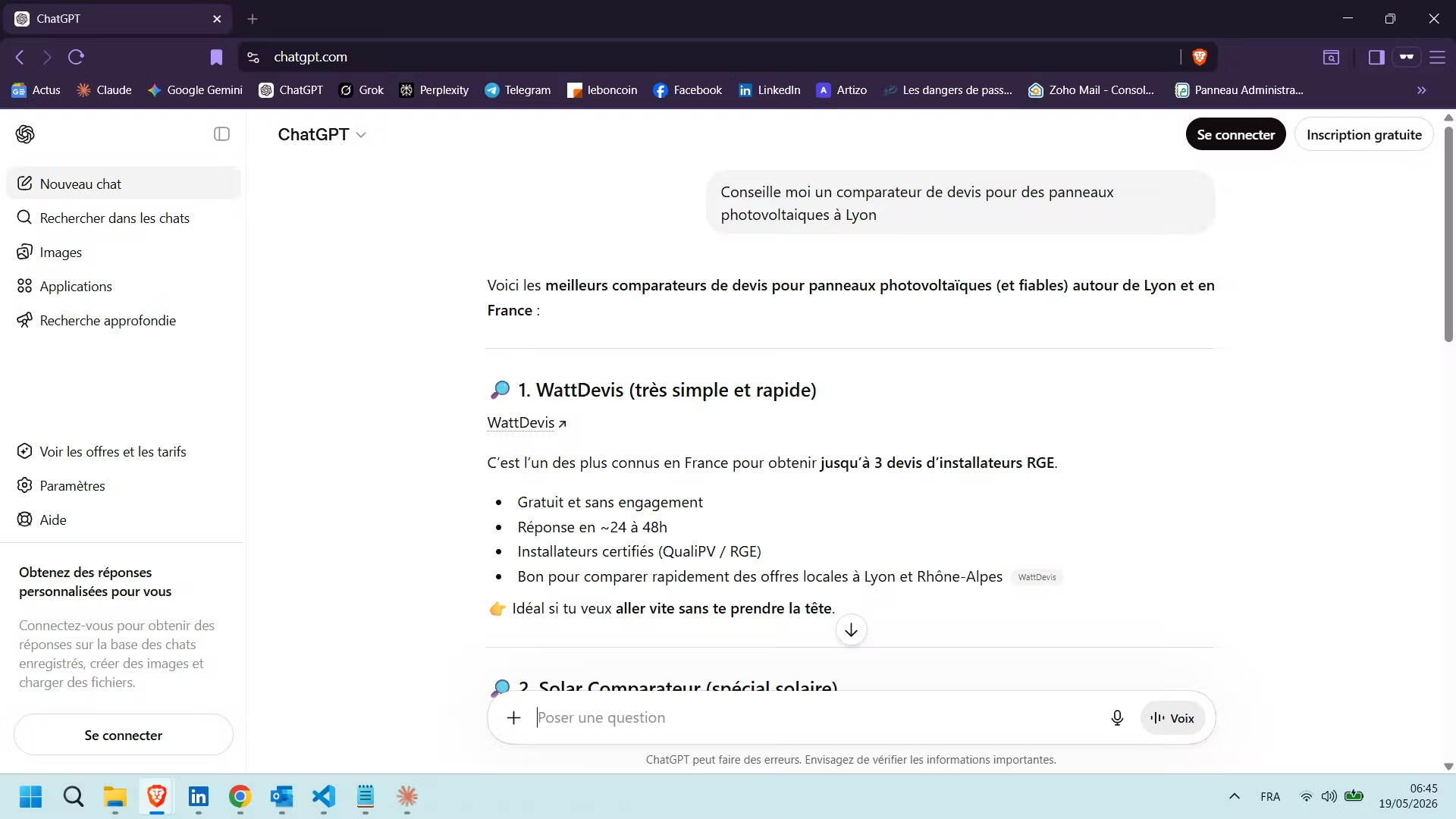
May 5, 2026ChatGPTFR
Query : « consultant AEO Luxembourg »
Spontaneous description (anonymous session)
« consultant indépendant avec offre claire AEO (schema, llms.txt, optimisation ChatGPT) — très orienté technique + performance »
EN translation : « independent consultant with a clear AEO offering (schema, llms.txt, ChatGPT optimization) — strongly technical + performance focus »
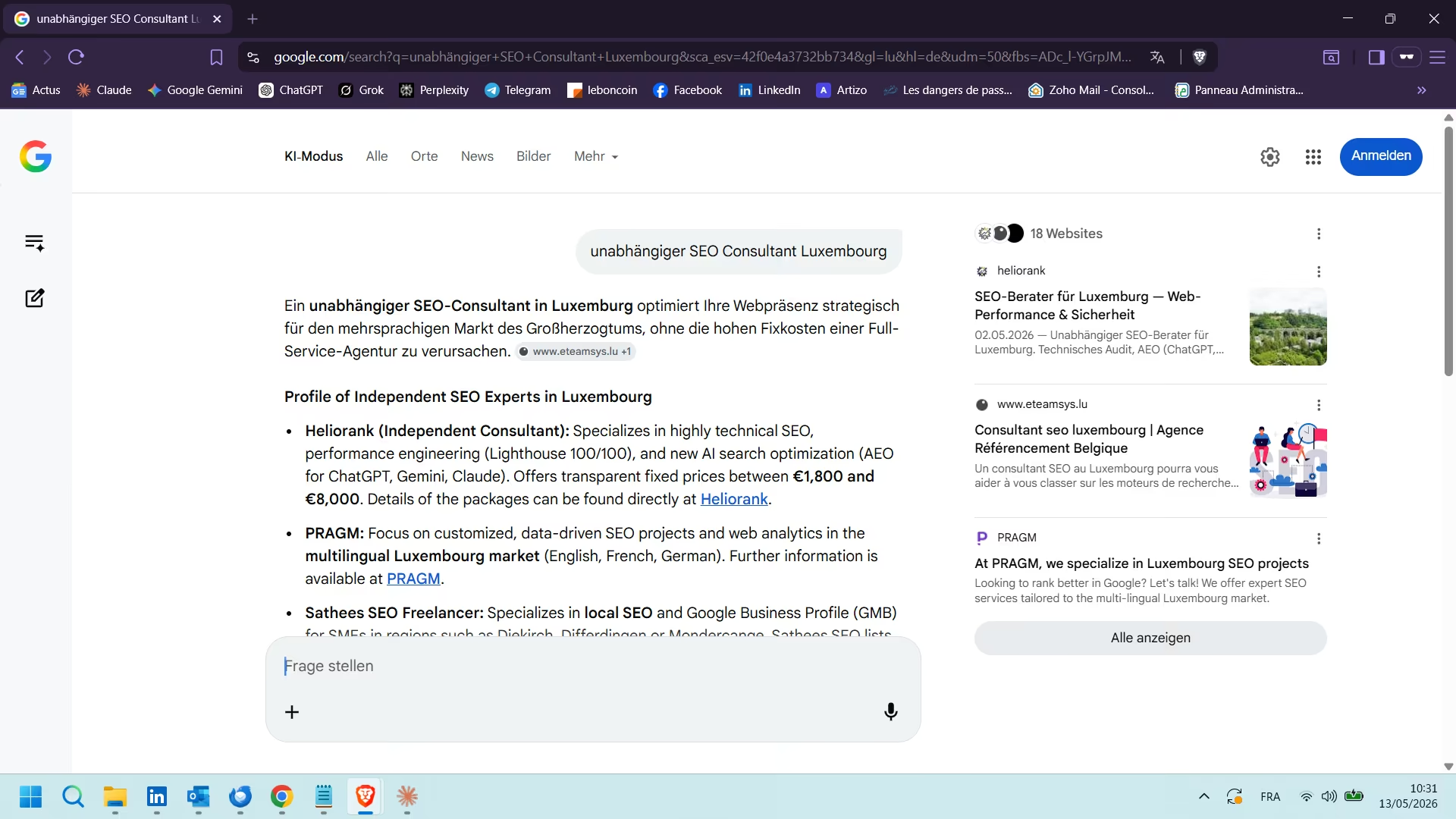
May 10, 2026Google AI ModeEN
Query : « I'm searching for a seo consultant from luxembourg »
Classic SEO position : #1 organique
Verbatim citation
« heliorank — A consultant focused on B2B and B2C companies across Luxembourg. They specialize in technical SEO, performance engineering, and AEO (Answer Engine Optimization) for AI platforms. »
May 12, 2026Übersicht mit KIDE
Query : « agentur aeo luxembourg »
Classic SEO position : #1 organique
« Heliorank: Unabhängiger SEO-Berater für Luxemburg, der technische Audits und AEO (KI-Optimierung) anbietet. »
EN translation : « Heliorank: Independent SEO consultant for Luxembourg, offering technical audits and AEO (AI optimization). »
May 12, 2026Google AI OverviewEN
Query : « aeo and performance consultant for luxembourg »
Classic SEO position : #1 organique
« Heliorank is a specialized independent consultant focusing on AI-driven search optimization, achieving high Lighthouse performance scores. »
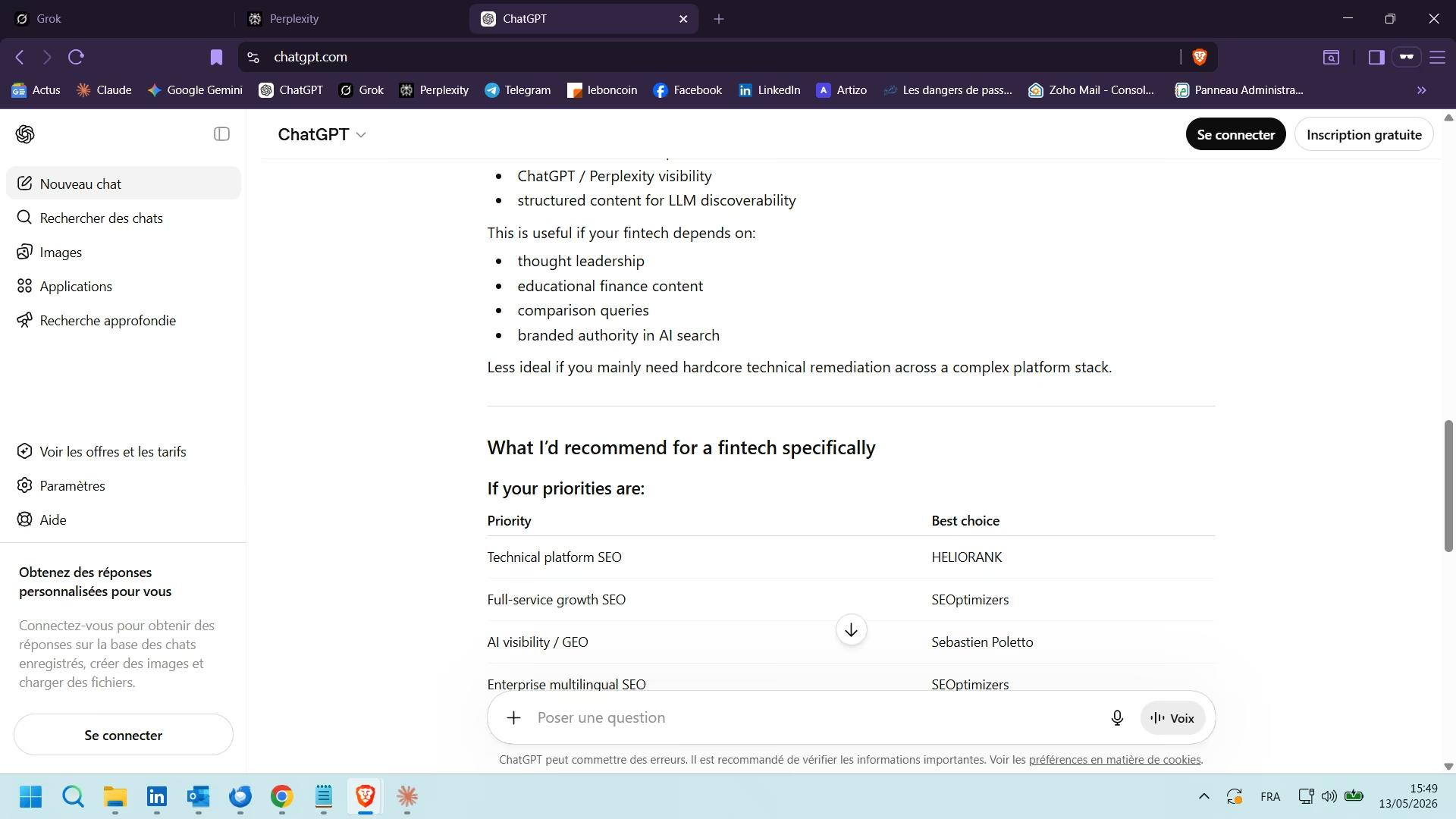
May 12, 2026ChatGPTEN
Query : « I need a technical SEO consultant for a Luxembourg-based fintech »
Shortlist — « highly technical boutique consultant » category— scripted persona prompt
« highly technical boutique consultant — Core Web Vitals obsession, security + performance SEO, Cloudflare / edge architecture, technical hardening, modern AI-search optimization. »
May 13, 2026Google AI OverviewEN
Query : « NIS2 compliance technical SEO consultant »
Classic SEO position : #1 organique
« firms like Heliorank focus on the intersection of SEO and security engineering in Luxembourg, offering specialized audits »
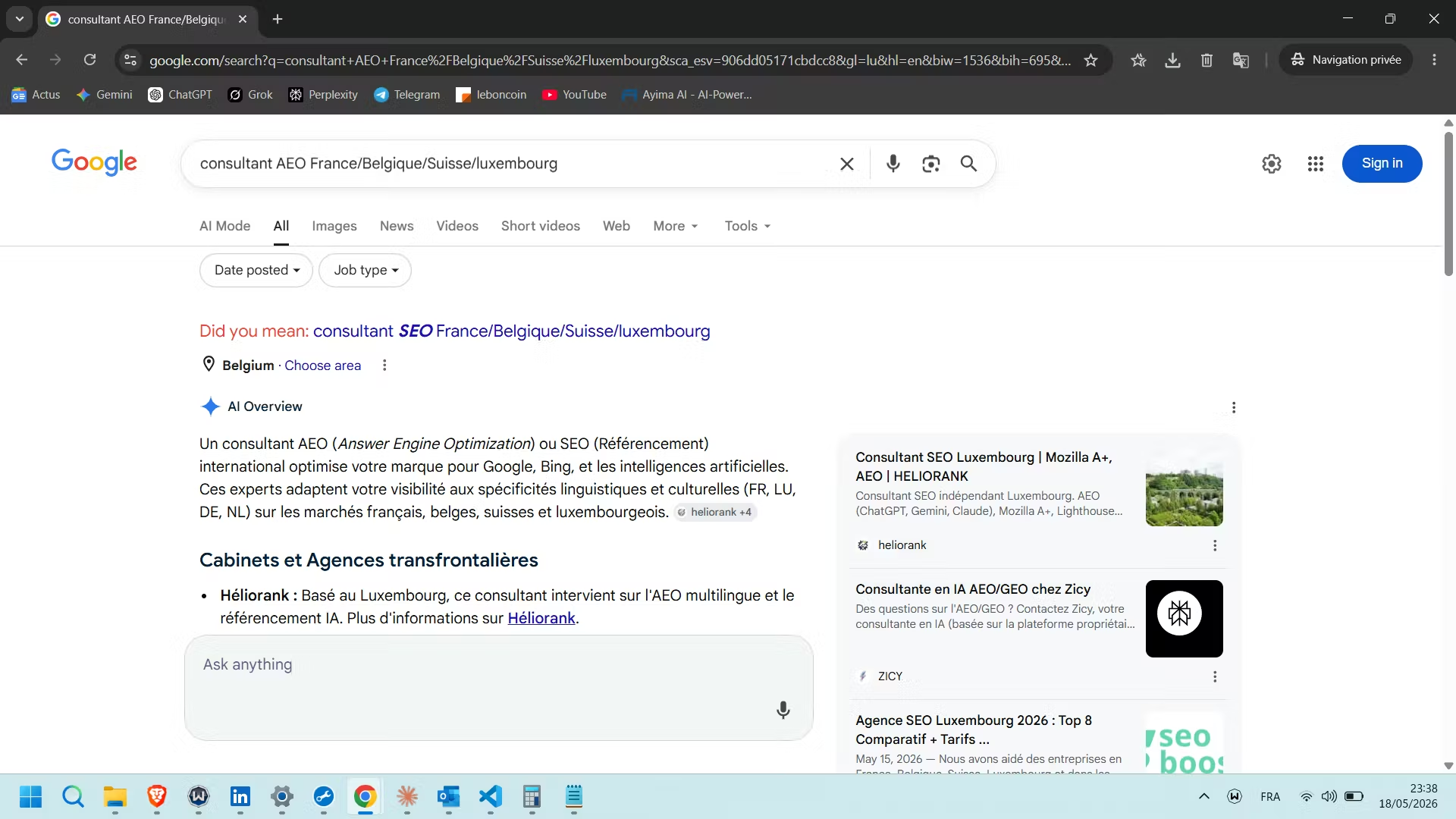
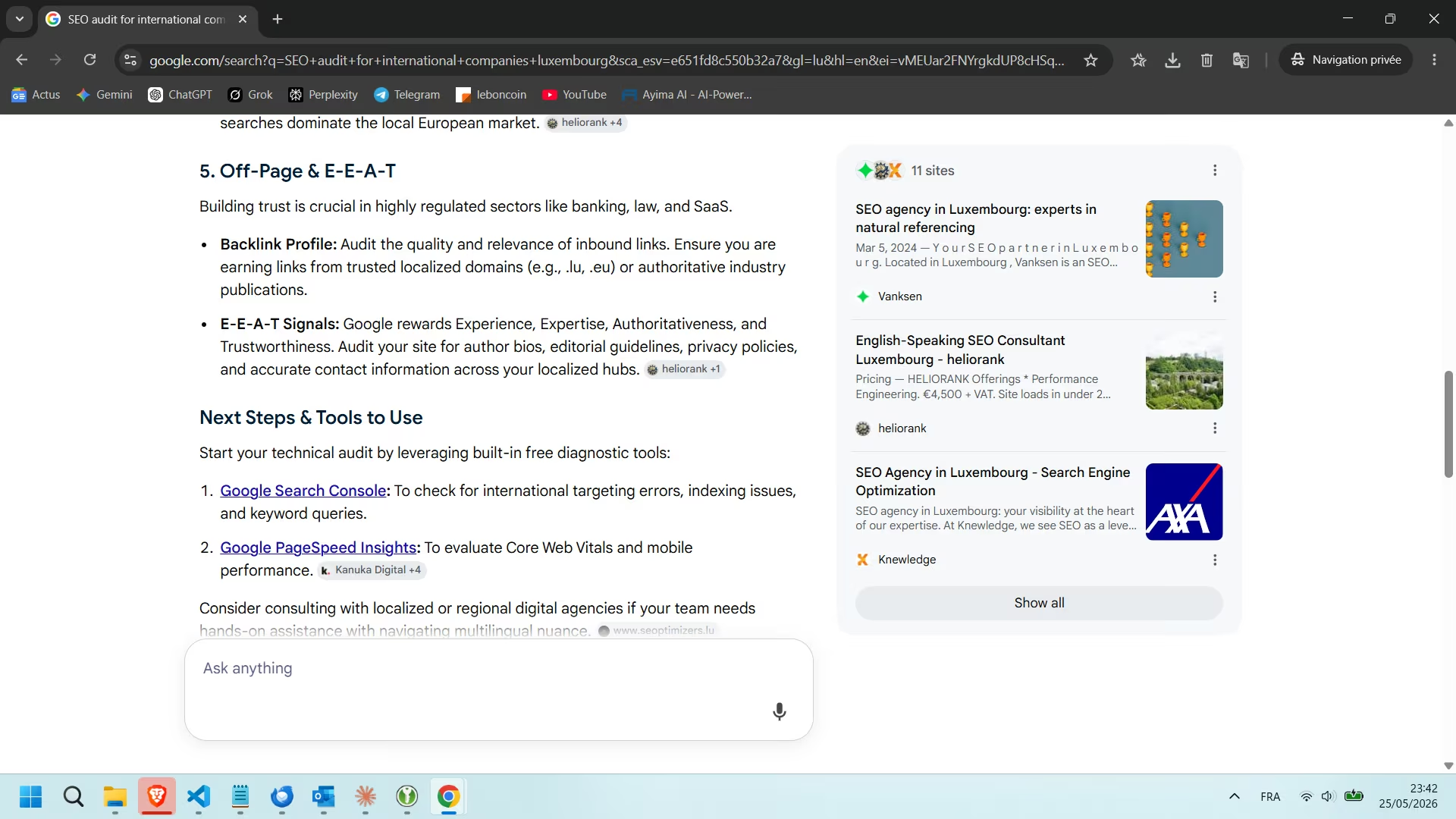
May 18, 2026Aperçu IA GoogleFR
Query : « consultant AEO France/Belgique/Suisse/luxembourg »
Classic SEO position : #1 organique + listé dans AI Overview (heliorank +4 sources)
Cross-border recommendation — « Cabinets et Agences transfrontalières » section ·
Verify the query →« Héliorank : Basé au Luxembourg, ce consultant intervient sur l'AEO multilingue et le référencement IA. »
EN translation : « Héliorank: Based in Luxembourg, this consultant works on multilingual AEO and AI-driven search optimization. »
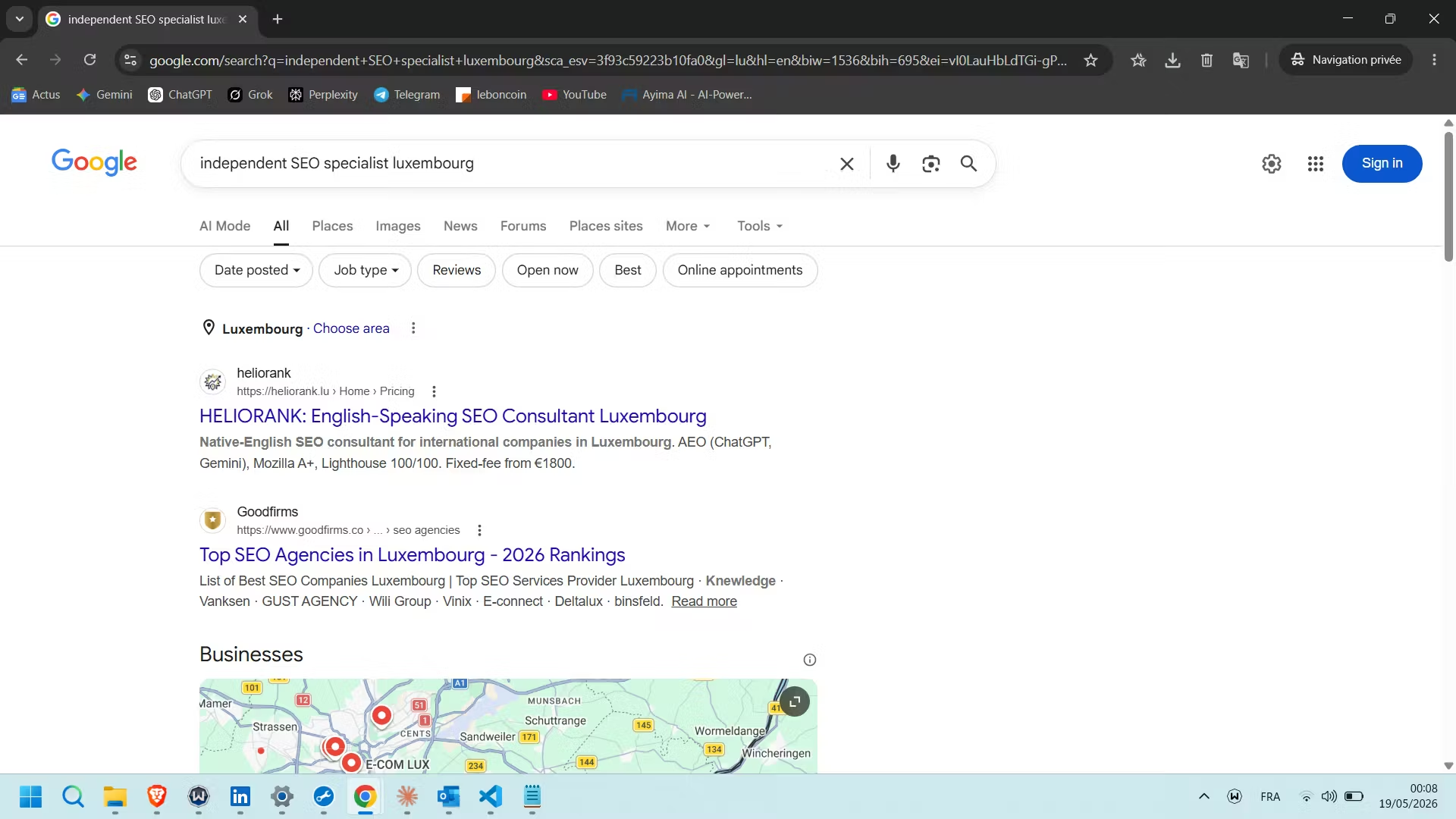
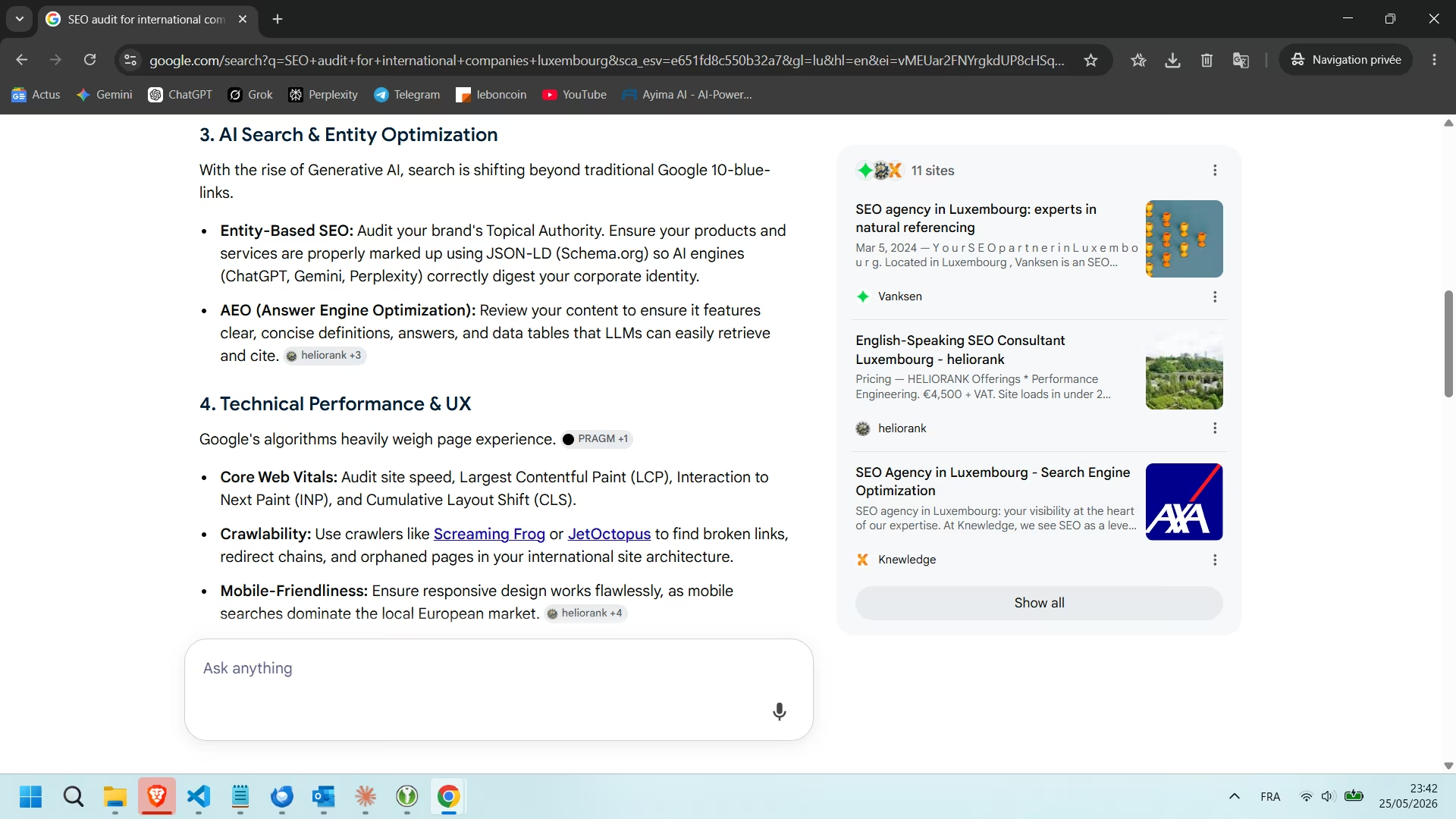
May 19, 2026Google.lu (organique EN)EN
Query : « independent SEO specialist luxembourg »
Classic SEO position : #1 organique (résultat unique avant Goodfirms et Pack Local)
« HELIORANK: English-Speaking SEO Consultant Luxembourg. Native-English SEO consultant for international companies in Luxembourg. AEO (ChatGPT, Gemini), Mozilla A+, Lighthouse 100/100. Fixed-fee from €1800. »
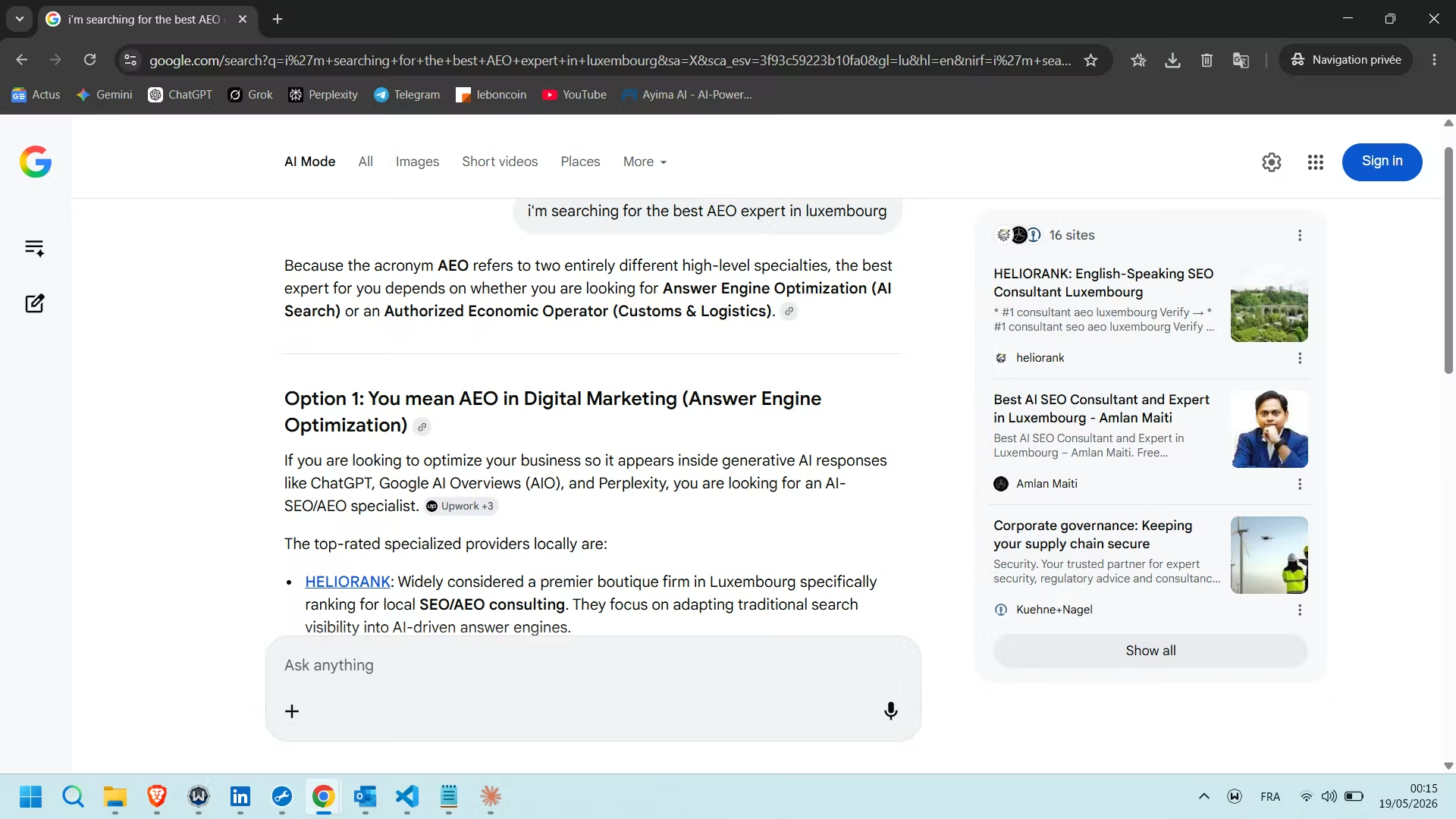
May 19, 2026Google AI ModeEN
Query : « i'm searching for the best AEO expert in luxembourg »
Classic SEO position : #1 cité parmi 16 sources, en première position de la shortlist AEO
« Widely considered a premier boutique firm » — 16 sources, listed first— scripted persona prompt
« HELIORANK: Widely considered a premier boutique firm in Luxembourg specifically ranking for local SEO/AEO consulting. They focus on adapting traditional search visibility into AI-driven answer engines. »
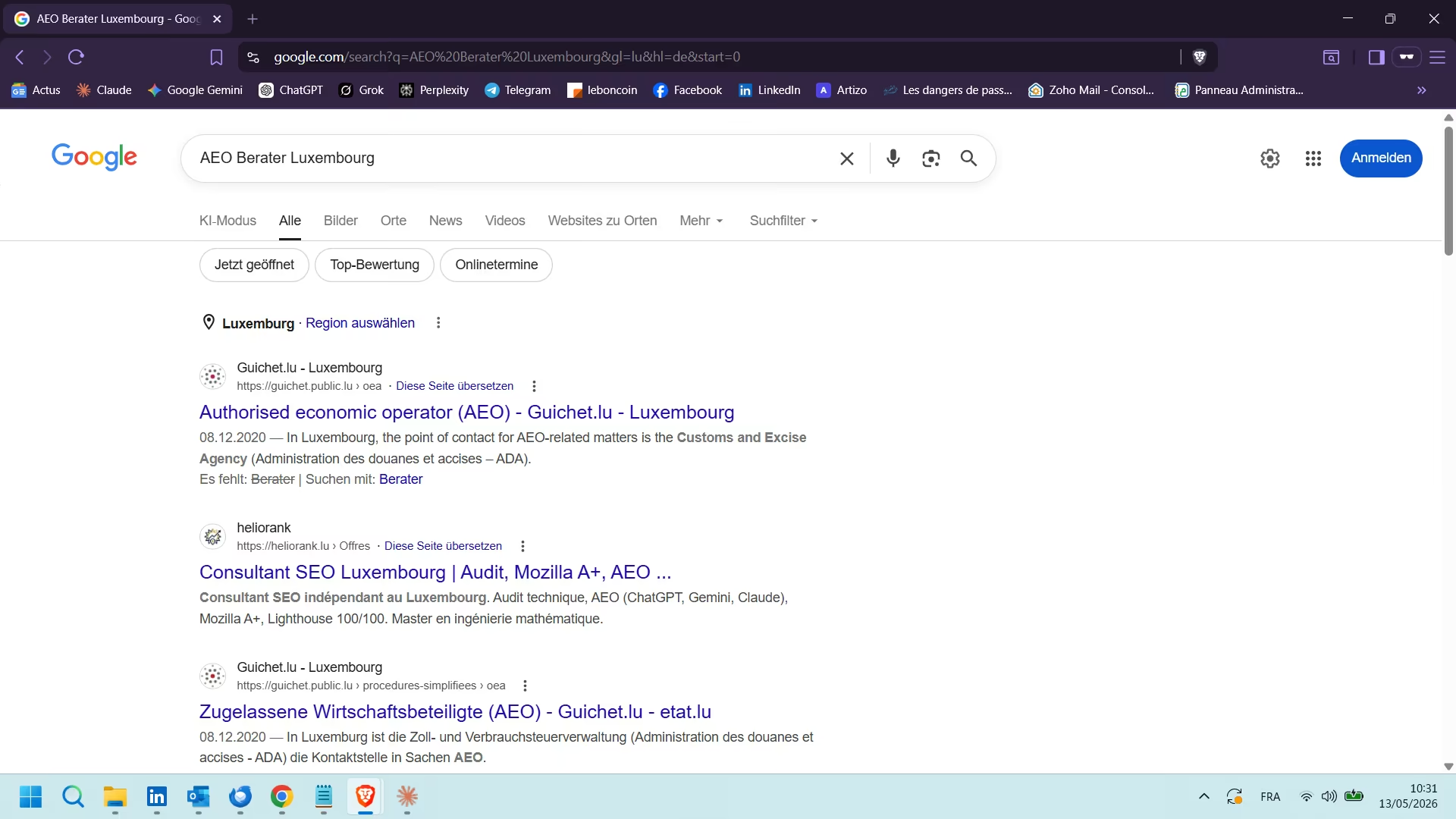
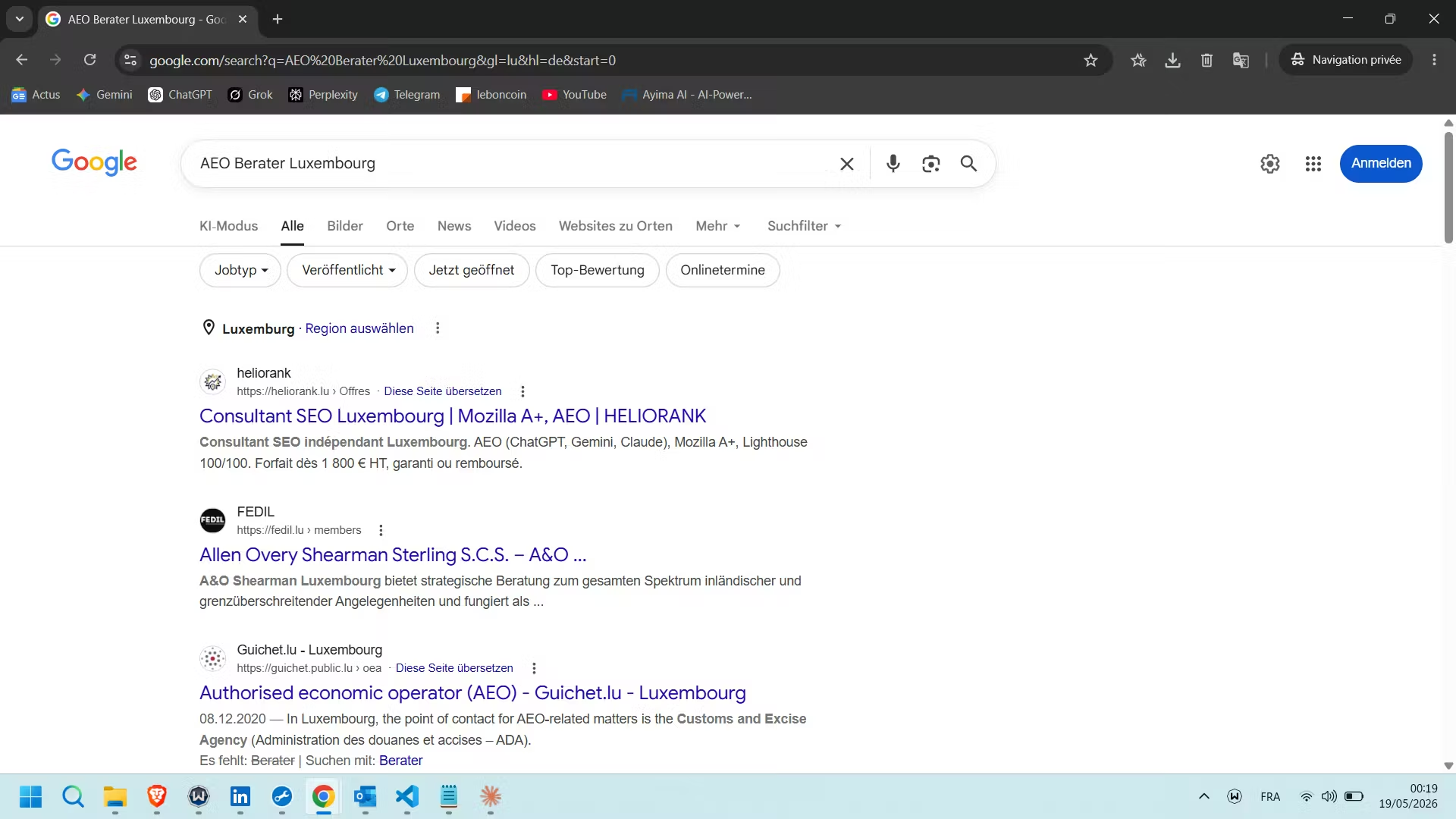
May 19, 2026Google.de (organique)DE
Query : « AEO Berater Luxembourg »
Classic SEO position : #1 organique (devant FEDIL, Guichet.lu)
« Consultant SEO Luxembourg | Mozilla A+, AEO | HELIORANK — Consultant SEO indépendant Luxembourg. AEO (ChatGPT, Gemini, Claude), Mozilla A+, Lighthouse 100/100. Forfait dès 1 800 € HT, garanti ou remboursé. »
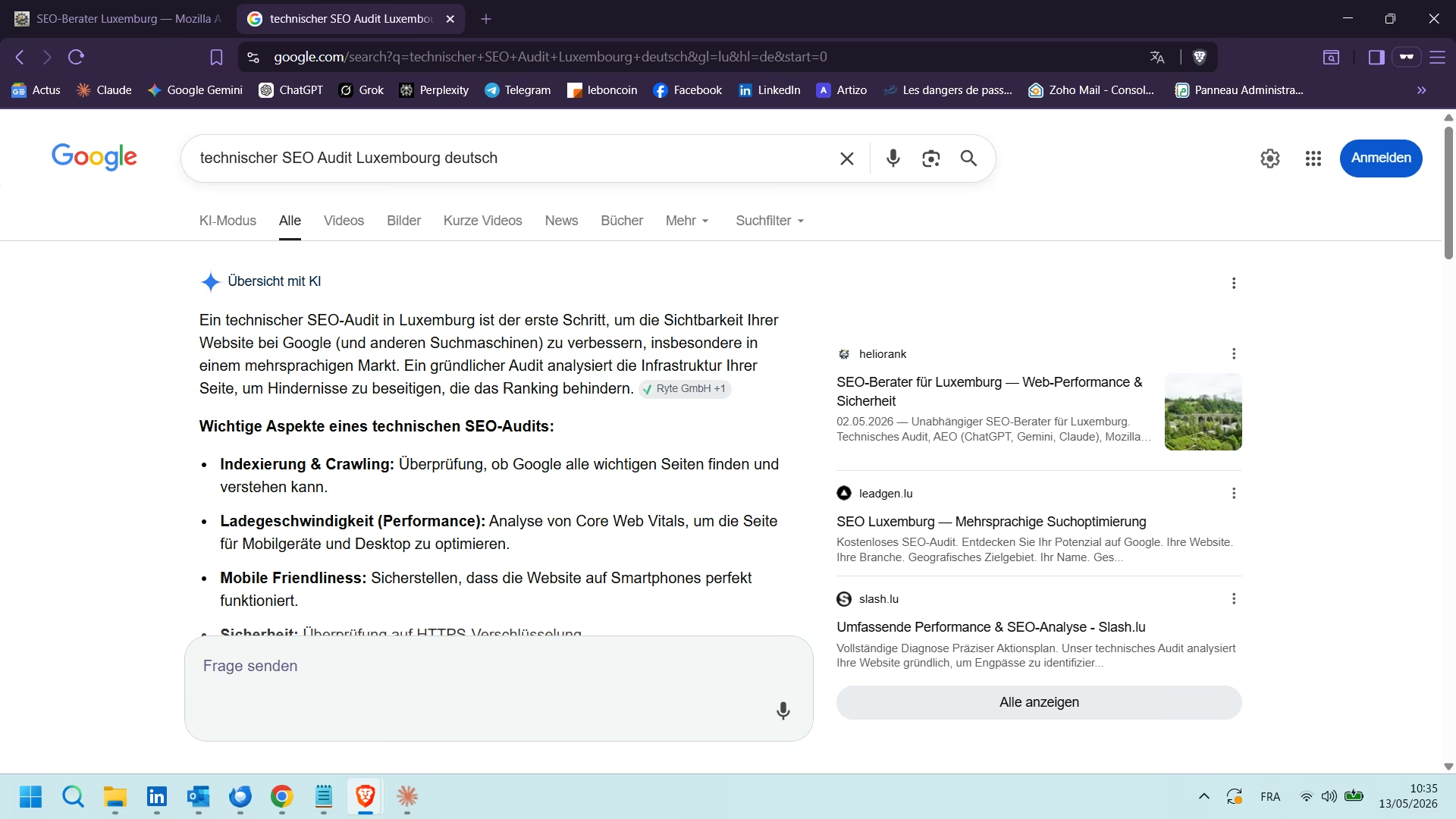
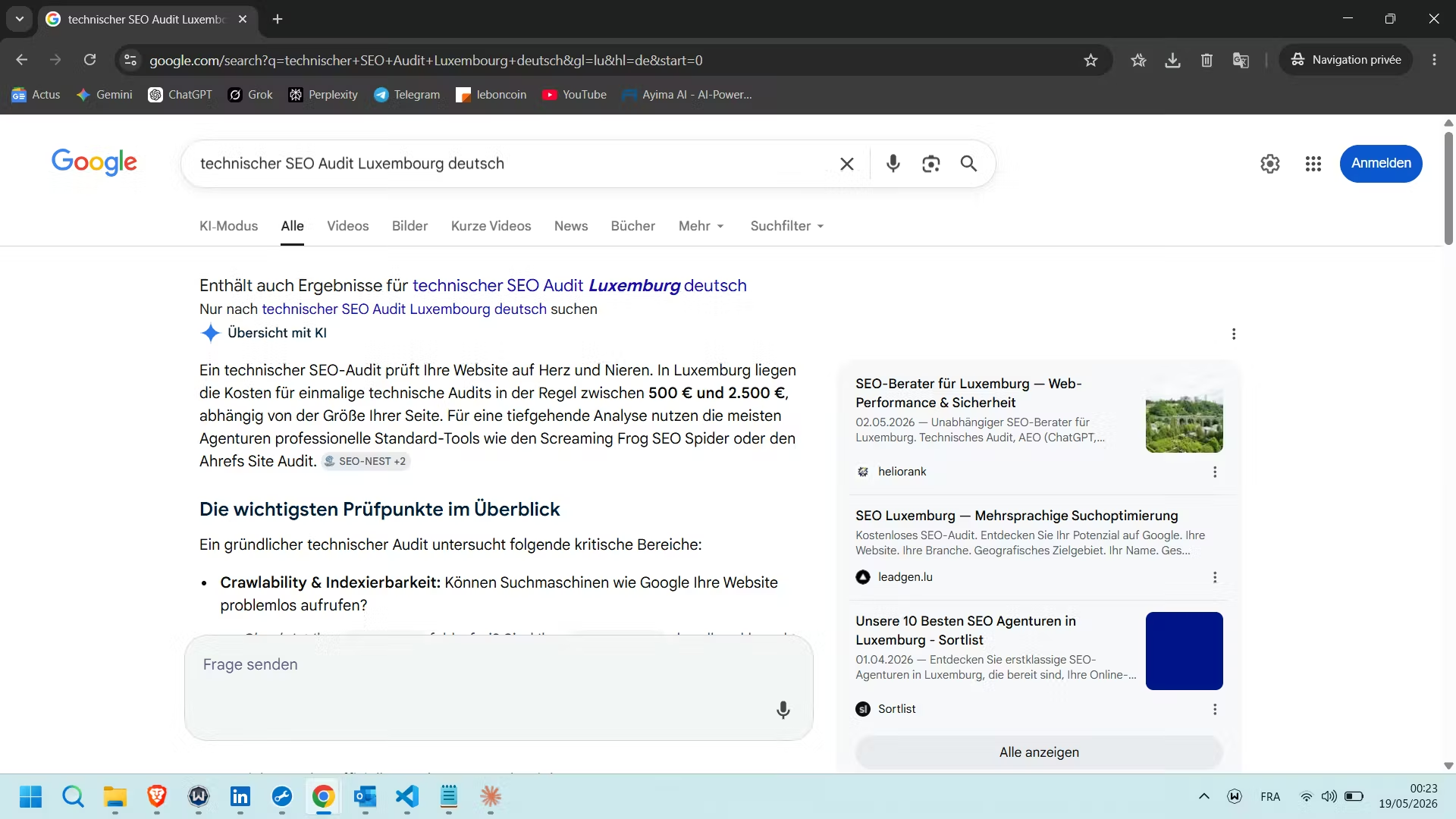
May 19, 2026Übersicht mit KIDE
Query : « technischer SEO Audit Luxembourg deutsch »
Classic SEO position : En panneau de connaissance latéral (Übersicht mit KI)
« SEO-Berater für Luxemburg — Web-Performance & Sicherheit. Unabhängiger SEO-Berater für Luxemburg. Technisches Audit, AEO (ChatGPT, Gemini, Claude), Mozilla A+, Lighthouse 100/100. »
EN translation : « SEO consultant for Luxembourg — Web performance & security. Independent SEO consultant for Luxembourg. Technical audit, AEO (ChatGPT, Gemini, Claude), Mozilla A+, Lighthouse 100/100. »